
East Orange Neighbors: Block Record Sources
A block search in East Orange starts with parcel and address records, then moves to specific public documents only when needed. The official sources describe location, ownership, a recorded party, permit context, or an organization contact. They do not supply an official household list. The right source depends on whether the question concerns a parcel boundary, the owner named in an annual property record, an instrument, a historical address, or a public community resource.
| Source | What It Shows About a Block | Access |
|---|---|---|
| NJGIN Property Explorer | Parcels, addresses, roads, imagery, municipality, and block/lot search context | State entry point; exact local tool controls were not captured |
| East Orange tax and assessor route | Owner, property or mailing context, value, class, and annual assessment information | City page and linked tax search; fields can vary |
| Essex PRESS | Recorded party, instrument, legal description, and recording date | Free informational index with image and date limits |
| East Orange SDL or a narrow request | Defined permit, violation, or property-information record by address | City-linked route may require sign-up; exact fields remain unverified |
| Community resource | Public contact, plan, meeting, or organization context | Use official public information, not a member roster |
An owner’s name is not the same as an occupant’s name. A tax mailing address can differ from the property address, and a recorded party can be a lender, trustee, estate, or corporation. The record date matters, because a parcel map, annual tax file, and deed recording can each change on different schedules.
Map East Orange Neighbor Parcels
Use a repeatable address-to-parcel process. The official state GIS source confirms that Property Explorer supports address, county, municipality, block, and lot routes. Its text capture did not document a dedicated East Orange adjacent-parcel or buffer tool. That gap matters. Do not claim a radius result or a local layer that the official source did not expose. Instead, record the target parcel first, then identify only adjoining parcels that the visible map and parcel information actually show.
- Enter the complete address, then verify East Orange and Essex County before relying on the result. Keep the postal ZIP separate from the legal municipality.
- Record the target parcel’s address, block, lot, and source date. Use the map only for parcel context and the set of visible adjoining boundaries.
- Check each visible adjoining parcel through the East Orange assessor route for the owner or mailing information displayed for that annual file.
- Use PRESS by block and lot or recorded party when a dated transaction must be checked. Record the party role and instrument date, not an occupancy claim.
- For a whole named street rather than one block, use the East Orange street directory route, which follows the longer address-record chain.
NJGIN Property Explorer is the official statewide entry point for the parcel and map context used in this process.
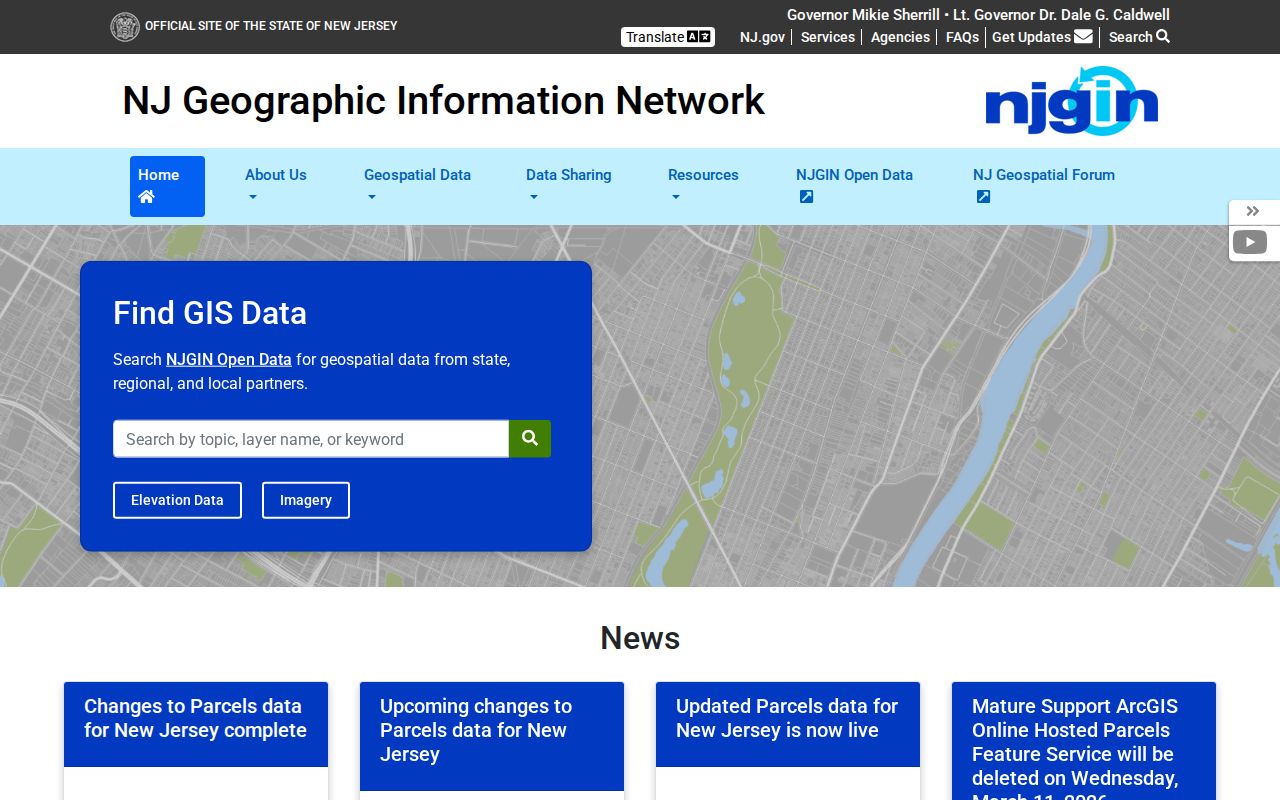
The August 2026 Essex geometry update reported by NJGIN did not change MOD-IV attributes. A refreshed parcel shape therefore does not necessarily mean that the property attributes or a person’s address relationship changed at the same time.
East Orange Neighbor Parcel Gaps
The East Orange Property Taxation page describes assessor work that includes owner and location data, property cards, block and lot assignments, tax maps, values, deductions, and added or omitted assessments. The city links to a tax-search service, but the live East Orange form’s exact labels, partial-name behavior, result layout, and export options were not captured in the research. Describe those fields as expected only where the city’s own function statement supports them.
Property records are annual or file-date evidence. State transparency material warns that a January property file can lag a transfer made later in the year. The assessor result should preserve the situs address, municipality, block, lot, owner name, any distinct mailing address, value fields, tax year, and source date. Do not collapse those fields into a claim that an owner lives at the location.
Recorded documents add another role. Essex PRESS can be searched by instrument number, document type, block and lot, or name. Its online search page gives an October 1, 1996 index start, while the Register’s materials describe later remote electronic transactions and older Public Vault access. It is informational, not a title search.
East Orange Neighbor Voter Limits
New Jersey’s Am I Registered? service is an individual voter-status tool. It is not an East Orange block lookup. New Jersey law identifies voter record fields that can be subject to public access and redaction, but signatures, identification numbers, and ballot choices are not public. The current rendered lookup-field labels and the current Essex list-request form, fee, eligibility, and delivery format were not captured in the official research. Those gaps should remain visible rather than replaced with a guessed process.
The official voter-status entry page is limited to its individual verification purpose.
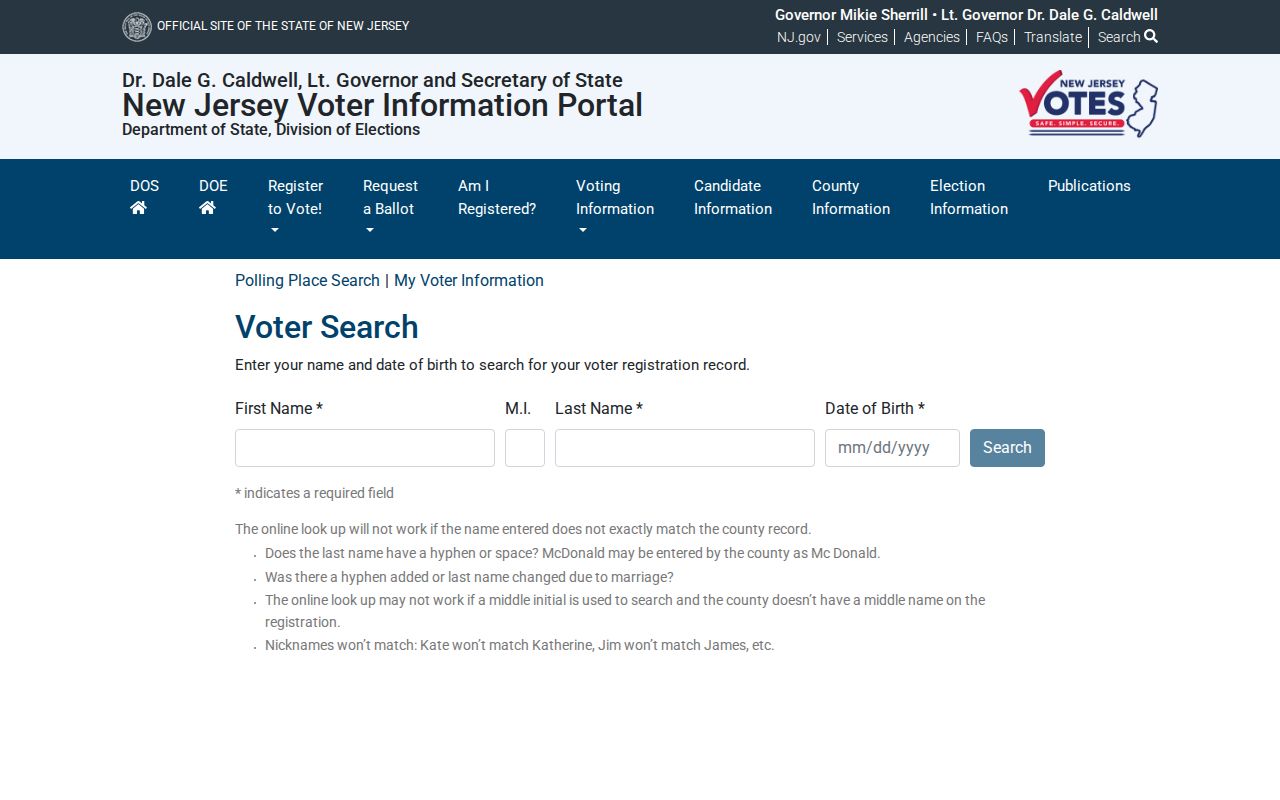
A registration record does not prove continuous residence on the day of a search. Inactive status can follow returned mail or an address question, and a status result must not be turned into a household list. For a defined election-record question, ask the Essex Commissioner of Registration about the lawful record route and preserve any stated redaction rule.
East Orange Neighbor Community Resources
Public community information can help a person understand a block without exposing membership. The research located a public contact source for the East Orange Property Owners Association, a Greenwood community-plan source, and the Main Library’s Local History Room as a historical context route. These resources can identify an organization’s stated scope, public contact details, meeting or planning material, and collection leads. They are not evidence that a named person lives on the block, and no public member list should be inferred from a contact page.
East Orange Property Owners Association
EOPOA’s public page describes a newly formed association of multifamily and commercial real-estate owners and provides a public contact route. Research found no public member list.
Greenwood Community Plan
Sierra House’s Greenwood plan gives an attributed community geography and planning context. It is not an official ward map or a resident roster.
Main Library Local History Room
East Orange Public Library is the local route for directories, clippings, letters, and historical material. The current online finding aid was not located.
The EOPOA public association page is a documented community-contact source.
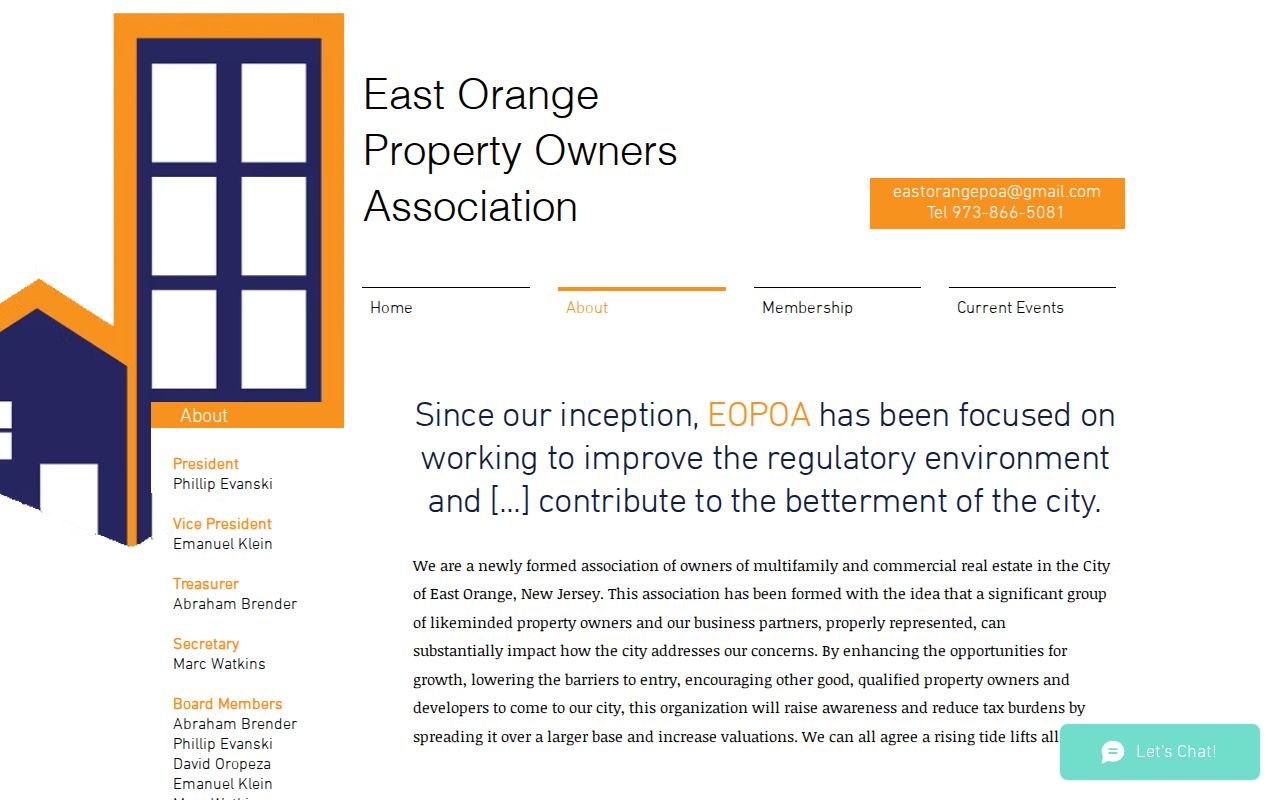
The source supports an association contact and stated purpose, not a membership or residence claim. Keep public officers or contacts separate from the broader group membership.
East Orange Neighbors Across City Lines
East Orange is adjacent to Orange, West Orange, South Orange, Montclair, Glen Ridge, Bloomfield, and Newark. That matters when a block is near a municipal edge or when a historical directory combines the Oranges. A county office, court, or Hall of Records route may use a Newark mailing address even though the property or event belongs in East Orange. The municipality selector, parcel, and deed legal description carry more weight than a ZIP label or a nearby place name.
For a border address, validate the full street address through USPS, then check the parcel municipality and recorded instrument. If an older directory entry is ambiguous, search the relevant municipality heading and compare the street section before assigning it to East Orange. The research did not locate an official street-by-street boundary table, so do not turn a neighborhood label into a legal boundary conclusion.
East Orange Neighbor Geography and Density
East Orange covers 3.93 square miles and had a 2020 Census population of 69,612, with a 2025 estimate of 72,159. Those figures describe city scale, not the number of people on any one block. The city’s official history also gives an approximate current population of 65,000, so these sources should retain their dates rather than be silently reconciled. Census totals and planning labels are context, never a substitute for parcel or address evidence.
The master plan explains that Interstate 280, Freeway Drive, and the Garden State Parkway interrupt neighborhood continuity. Renshaw, Springdale, Park, William, Main, and Central are among the crossings noted in the plan. For historical or border-block work, a road barrier can explain why nearby addresses appear in different civic contexts. It is a search clue, not proof of a ward, district, or neighborhood boundary.
East Orange Neighbor Tools Compared
Official records and commercial neighbor-search products serve different purposes. A property or deed record has a custodian, date, field labels, and a defined access route. Commercial categories often combine old or mismatched information, may charge for access, and may not explain when a field came from an owner, mailing, business, or historical source. Use an official record to make a narrow statement and preserve its limitations.
| Official block record | Commercial neighbor category | Safe conclusion |
|---|---|---|
| Assessor or parcel result with a source date | Mixed address and identity listings with unclear update timing | A parcel or displayed owner field, not every household member |
| PRESS recorded instrument and image state | Undocumented relationship labels or merged name matches | A dated recorded-party role, not current occupancy |
| Individual voter-status route or a lawful agency response | Bulk neighbor claims without a stated legal basis | Only the limited status or redacted record the custodian allows |
Keep a two-column note for every result. One column states the narrow fact the source supports. The other says what remains unknown, such as current occupancy, an unreviewed image, or a conflict between a mailing and property address.
East Orange Neighbor Privacy Limits
Public parcel and organization sources leave important information private. A renter, household member, utility user, visitor, delivery recipient, or protected person is not made public by an owner or parcel record. The New Jersey Address Confidentiality Program provides substitute-address protection for eligible participants. Daniel’s Law permits suppression of covered persons’ home addresses and unpublished telephone numbers through the DCA Office of Information Privacy.
Respect sealed, expunged, juvenile, family, medical, domestic-violence, and confidential vital material. Do not publish identifiers, signatures, account information, unlisted numbers, or a protected substitute address. A redaction or no-result is not an invitation to reconstruct a private address from other sources.
Lawful use. East Orange neighbor records are for personal, lawful research and civic context. New Jersey law prohibits using them to threaten, monitor, intimidate, or harass another person.
East Orange OPRA Block Requests
When an address-only portal cannot answer a defined property question, make a narrow request to the relevant custodian. The East Orange City Clerk is the municipal records custodian. A useful request identifies the full address, block and lot if known, department, record type, and date range. It can seek a specific permit, certificate, zoning verification, or code record. It should not ask for all records about the people around an address.
New Jersey’s Open Public Records Act, N.J.S.A. 47:1A-1 et seq., generally provides seven business days for a custodian to respond to a non-immediate request, with exemptions and response-time notices applying. A custodian may provide a record, redact protected fields, explain that no responsive record exists, or direct the request to the appropriate agency. Record each outcome and its date.
Note: An OPRA request does not create an unrestricted neighbor list or replace a title search.